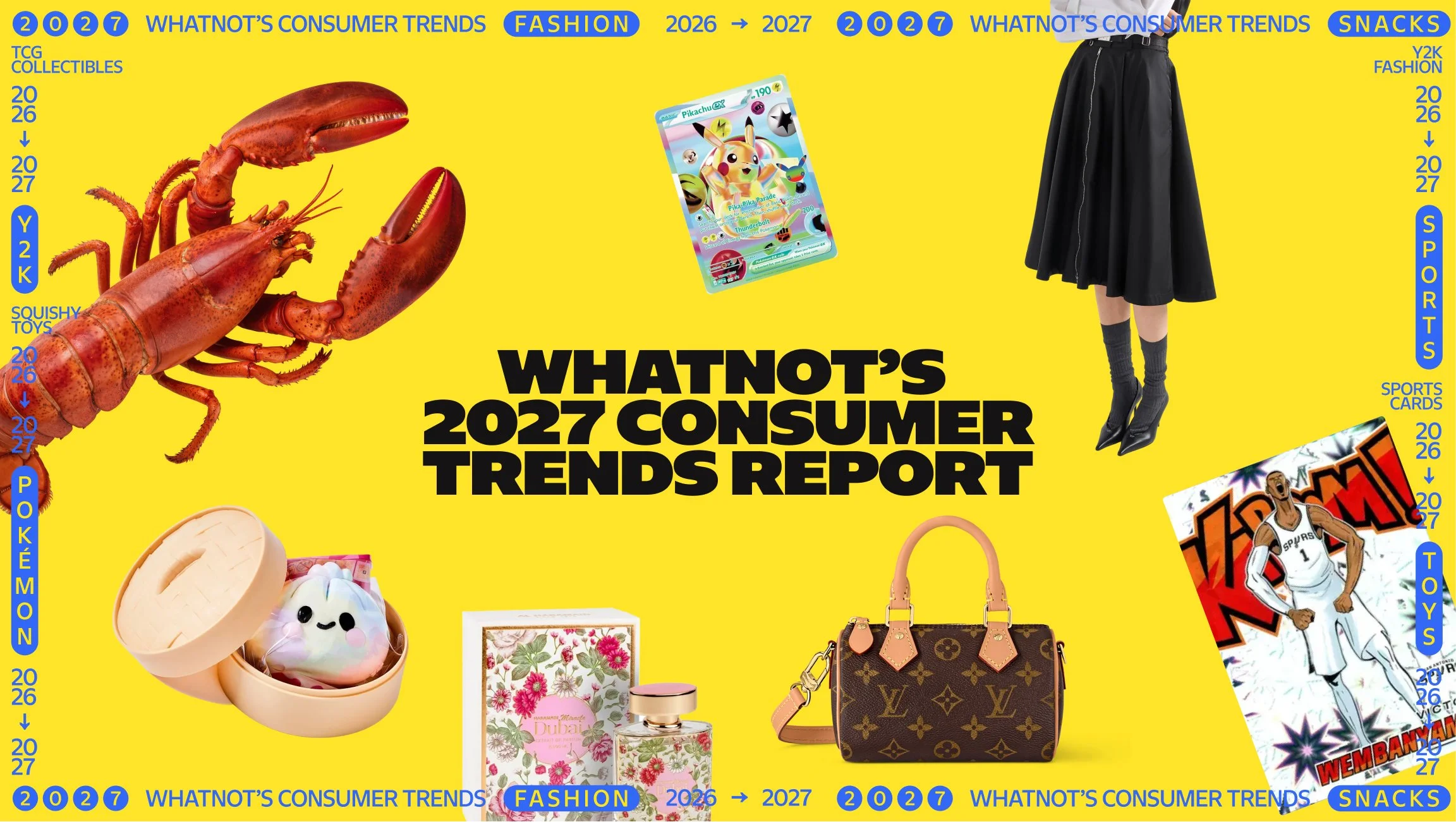
Where Culture Meets Commerce: Whatnot’s 2027 Consumer Trends Report
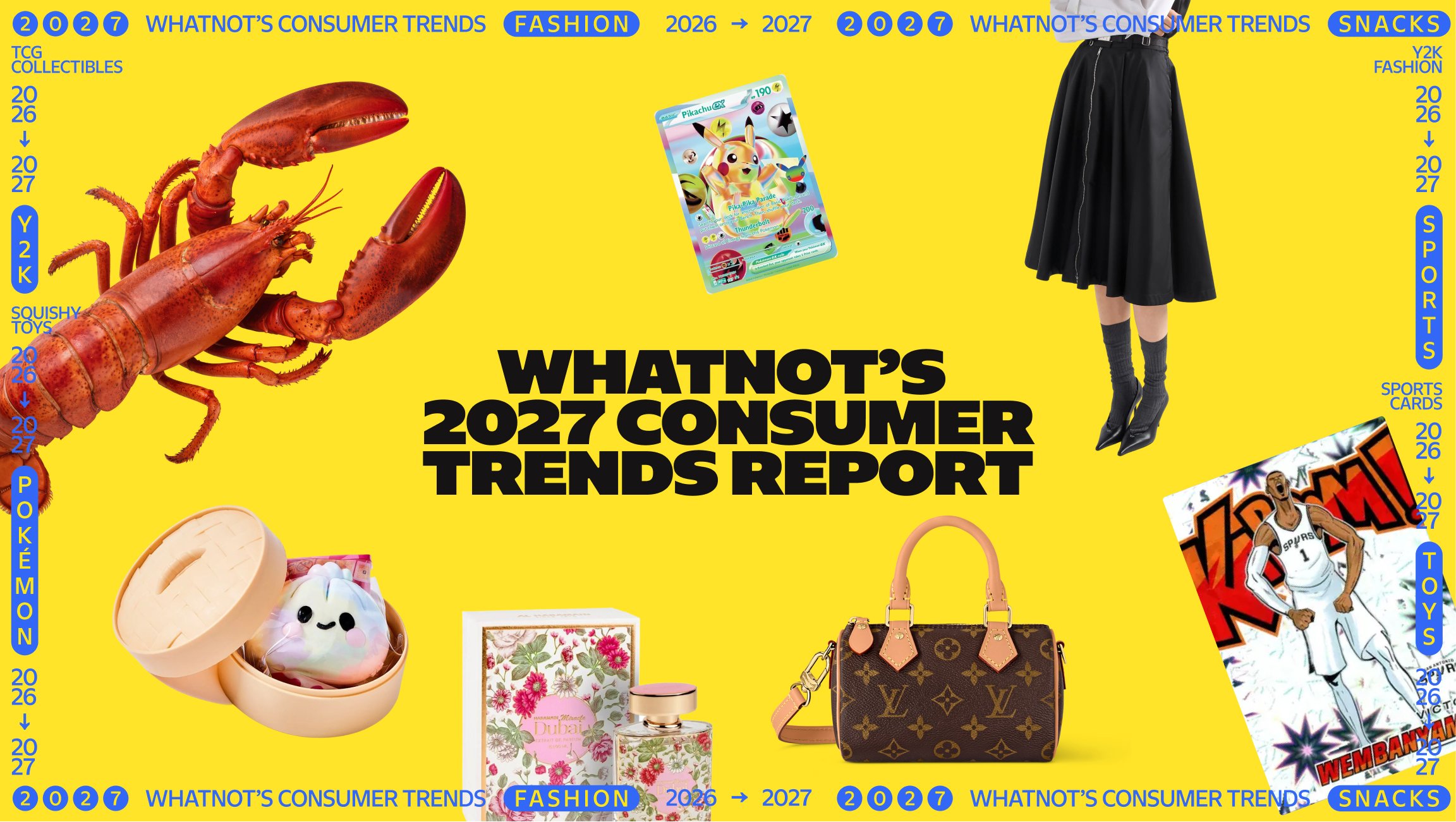
Today, we’re releasing our 2027 Consumer Trends Report, exploring the products, trends and communities we expect to shape how consumers shop, collect and connect in the year ahead. The report brings together Whatnot platform data, insights from our shoppers around the world, and the perspectives of sellers who know their communities best.
Live shopping is changing how people in the UK discover products and connect over shared interests. In a recent survey of 2,000 UK adults conducted by Censuswide, 42% of millennials and 38% of Gen Z said they shop live more than they did a year ago. Among UK adults who use live shopping platforms, nearly one in five (19%) said they regularly discover products through live shopping. Nearly one in five Gen Z (18%) respondents said it’s already one of the first places they go to discover new products. For around a quarter of Gen Z (26%) and millennials (23%), buying via live video, with a real person showing them the item and answering their questions, is among the ways of shopping that appeal to them most. On Whatnot, more than 650,000 new buyers around the world join every week.
Whatnot spans hundreds of categories, from sports cards and trading card games to fashion, beauty, toys, and sports. These communities drove more than $8 billion in live sales globally in 2025, and Whatnot is on pace to more than double that this year.
Sellers are at the heart of those communities. They get to know shoppers’ tastes, help them find sought-after items, and introduce them to something unexpected. Their conversations with buyers, alongside search and purchase data, give us a view of the trends gaining momentum and what is poised to break through in 2027.
2027 Fashion Will Remix the Classics

Whatnot is quickly becoming a premier destination for personal style and self-expression. Fashion generates more orders than any other category on the platform, with order volume more than doubling since last year. The number of fashion buyers and sellers has also doubled year on year, fuelling discovery across women’s contemporary clothing, vintage, luxury handbags and more.
In the UK, one trend is especially clear: shoppers are going back to the classics. Vintage continues to reign as Brits look to the past to create a style that’s uniquely their own, and from nostalgic silhouettes to heritage British brands, they’re gravitating towards pieces with history and staying power, prioritising wardrobe longevity and quality over fleeting trends.
Heritage Leather Is Having a Moment on Both Sides of the Atlantic
Handbags will remain a major entry point into vintage in 2027, with Coach poised to be one of the biggest beneficiaries. Luxury Bags & Accessories live shows have driven nearly 150 million views so far in 2026, and while Louis Vuitton, Gucci, Chanel and Hermès remained among the most-searched names, Coach emerged as a standout alternative, named in nearly half of all vintage bag show titles on Whatnot. In the UK, appetite for the classic American leather brand grew throughout the year, with searches up more than 600% and orders up 12x. Coach wasn’t the only heritage leather brand to boom. Closer to home, Mulberry is having a revival of its own, with searches for the British leather brand up 500%. As Mulberry starts a new chapter, with Christopher Kane now creative director of its women’s ready-to-wear, we expect the resale market to follow, and Brits to keep hunting for pre-loved quality classics.
Britain Backs the Home Team
It’s not just heritage leather enjoying a comeback. Marks & Spencer, for decades the nation’s go-to for well-made wardrobe staples, has staged a much-talked-about style revival, and that renewed love is spilling over into resale. M&S is firmly back in the nation’s good books, with searches for the brand up 26x on Whatnot UK as shoppers go looking for its quality pieces.
Alongside the heritage names, Brits are hunting down pieces from homegrown British labels. Searches for brands including Nobody’s Child, Never Fully Dressed, Damson Madder, Rixo, Seasalt and Lucy & Yak grew 340%, faster than fashion searches overall, as shoppers seek out quality pieces.
In 2027, expect British shoppers to keep looking closer to home, with homegrown labels old and new earning a permanent place in their wardrobes.
Old-School Accessories Become New Classics
That love of the classics extends to accessories, and some of 2027’s freshest will be anything but new. Floral brooch searches jumped 202%, while searches for silk scarves rose 78%, reflecting renewed interest in classic accessories styled in less traditional ways. Oversized floral brooches emerged as a statement during the Spring/Summer 2027 runway shows, while silk scarves are increasingly moving beyond the neck to be worn as headscarves and incorporated into outfits in unexpected ways.
In 2027, expect shoppers to rediscover the styling potential of pieces that may already be hiding in their (or someone else’s) wardrobe.
The Prada Effect Puts Skirts Everywhere
If the runways are any indication, 2027 will be the year of the skirt. Prada sent 63 skirts down its Spring/Summer 2027 runway in a mix of lengths, patterns and silhouettes, and Whatnot shoppers are already showing interest: searches for skirts climbed 93%.
Expect skirts to become a wardrobe workhorse in 2027, with shoppers experimenting across lengths, fabrics and eras rather than rallying around a single dominant silhouette.
The Pendulum Swings
Fashion loves an opposite, and some of the defining trends of the past few years may be ready for their counterpoint. Whatnot searches are already pointing towards the next wave: big sunglasses (+68%) over tiny frames, purple (+81%) following the reign of brat green, snake print (+84%) as an alternative to leopard, and pearls (+66%) as shoppers look beyond diamond and tennis bracelets.
In 2027, expect the pendulum to keep swinging towards bolder proportions, new prints and refreshed versions of classic glamour.
From Scent Layering to Worn-In Glam, More Is More

Beauty is becoming more personal, experimental and expressive as shoppers embrace new ways to make their routines their own. Beauty orders nearly tripled as shoppers explored fragrance as a form of self-expression, embraced K-beauty skincare routines, and gravitated towards the glowing skin, smoky eyes and textured hair appearing on Spring/Summer 2027 runways.
From personalized scent wardrobes to a renewed appetite for bold, imperfect beauty looks, platform activity, buyer preferences and seller observations point towards several trends that will shape beauty in 2027:
Fragrance Becomes a Wardrobe of Its Own
Expect shoppers to treat fragrance more like fashion, building scent wardrobes that can change with their mood, style or occasion. About 18 fragrance items sell per minute on Whatnot in 2026, and 72% of fragrance buyers returned for another purchase. Kayali, Tom Ford and Maison Francis Kurkdjian led searches, while sellers saw growing interest in smaller sizes that make it easier to try and layer new scents.
In Britain, it's men driving that discovery. The number of men buying beauty on Whatnot rose 630% this year, and their spending grew 800%, outpacing beauty overall. Aftershave is top of the list: searches have climbed month after month since January 2025, and searches for men's aftershave are up 400%.
K-Beauty Goes Mainstream in Britain
K-beauty will continue to anchor skincare routines in 2027. K-beauty brands accounted for more than 80% of skincare orders on Whatnot in 2026. Brits moved from browsing to buying by name. Korean and Japanese brands' share of UK beauty orders rose 860% over the last year, while searches for them grew almost 20x.
Medicube has become a household name almost overnight, with UK searches up 60x, and new skincare ingredients are going from niche to normal. PDRN, the "salmon DNA" serum, barely registered in British orders in 2025. This year, it became a regular buy.
But perfectly prepped skin will increasingly become the canvas rather than the finished look. We expect shoppers to keep investing in multi-step skincare and luminous complexions while becoming more experimental with the make-up layered on top.
From "Clean Girl" to "Worn-In Glam"
After years of minimalist, barely-there beauty, 2027 will get a little messier. Glowing, well-prepped skin isn't going anywhere, but what goes on top is changing: think smoky eyes, deeper hues, crimped hair and deliberately imperfect texture.
Shopping behaviour is already reflecting the "worn-in glam" seen across Spring/Summer 2027 runways. Dark, moody eyeshadow shades ran at roughly double the volume of nude and neutral palettes throughout 2026, while hair crimper searches tripled and the number of shoppers searching for them rose 59%.
In 2027, expect polished skin paired with make-up and hair that feel less pristine, more lived-in and more personal.
Nostalgia Fuels the Next Wave of "Kidulting"
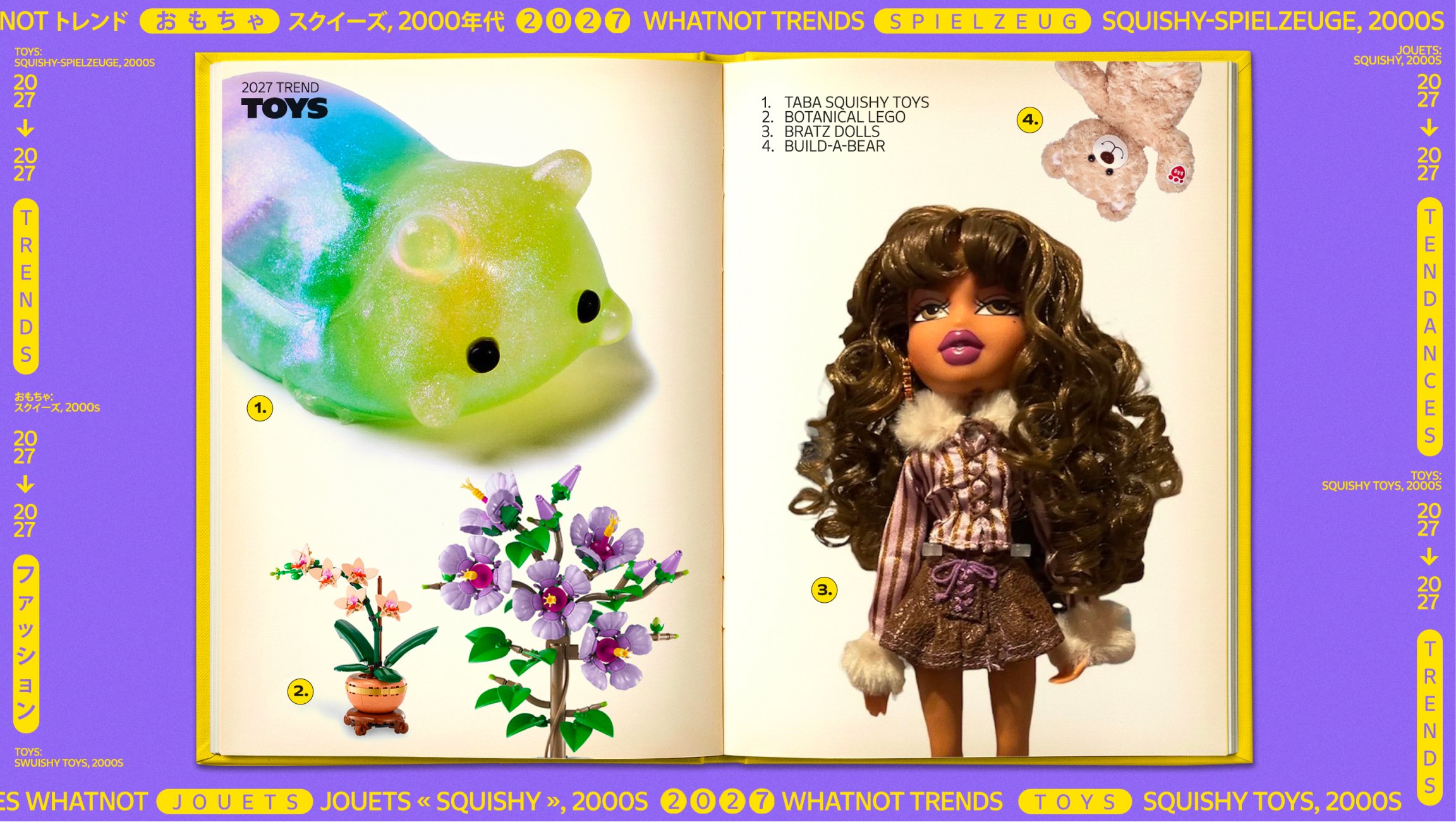
Adult collectors are reshaping the toy aisle, turning nostalgic childhood-favourite brands, beloved characters and tactile toys into serious hobbies and collectibles. On Whatnot, Toys & Hobbies orders grew 137% in 2026, with more than 118 items sold per minute and the number of toy buyers more than doubling.
From rediscovering childhood favourites to embracing the thrill of the hunt, the momentum we’re seeing across Whatnot points to the toy and hobby trends we predict will be everywhere in 2027:
The 2000s Nostalgia Boom Is Just Getting Started
The next wave of nostalgia will centre on the brands and characters that defined the 1990s and 2000s, and in Britain, nothing proves that quite like Shrek. When LEGO released its Shrek minifigures on 1 September, UK collectors pounced: orders rose more than 30x in a month, with collectible minifigures making up nine in ten of them, and searches for Shrek himself more than doubled.
LEGO remains a Gen Z and millennial mainstay well beyond the swamp: searches across adult-oriented lines, including Botanicals, Architecture and Art, grew 250% as buyers embraced the toy line as a hobby in its own right.
We expect reissues, anniversary collections and new takes on familiar franchises, from Shrek 5’s release in June 2027 to the next wave of LEGO collaborations, to bring even more of these brands back into the spotlight as millennials and Gen Z increasingly collect the toys they grew up with.
Jellycat Grows Up
Launched in London in 1999, Jellycat has grown from a childhood gift into a grown-up collection. Orders rose more than 13x on Whatnot UK this year, and British Jellycat lovers are paying a premium for rare characters and pristine condition: a Luxe Bunny sells for 77% more than a typical Jellycat, and one with its tags still on fetches 37% more. Bashful Bunny remains Britain's most-bought Jellycat.
In 2027, expect more collectors to treat their shelf of soft toys the way card collectors treat a binder, hunting retired characters and keeping the tags on.
Retro Gaming Spans Two Generations
Retro gaming nostalgia is no longer just about the 90s. Brits are still going back to the Mega Drive and Dreamcast classics they grew up with, and they've been joined by the kids who unwrapped a PS2 in 2000 and a PS3 in 2007. Now in their late 20s to early 40s, they're hunting down the consoles of their teens: PS3 searches rose 360%, while PS2 orders grew 600%.
With PS3 turning 20 in the UK in March 2027, we expect it to cement its place as a retro classic, as the generation that grew up with it looks to return to their formative gaming years.
Squishy, Tactile Toys Have Replaced Labubu in Britain
Squishy toys are poised to move from breakout trend to collecting mainstay in 2027. This year, they've consistently accounted for nearly two-thirds of Toys & Hobbies search volume on Whatnot, with NeeDoh the top-searched brand.
Britain has left the Labubu craze behind. Squishies landed in the UK around two months after they took off in the US and quickly became the breakout toy of the year, with searches up more than 100x and orders up nearly 40x. Meanwhile, Labubu searches fell 89%, sitting 95% below their July 2025 peak.
Slime rode the same wave, searches up 800% over the year and orders for slime and squishy toys have risen steadily every month since March 2026. Next up? Orders for jumbo squishies grew 11x over the spring to summer.
That momentum points to a growing appetite for toys that are as satisfying to touch and interact with as they are to collect. In 2027, expect more brands, characters and limited-edition drops to tap into the tactile toy craze.
Pokémon and Pop Culture Will Power the Next Trading Card Game Wave
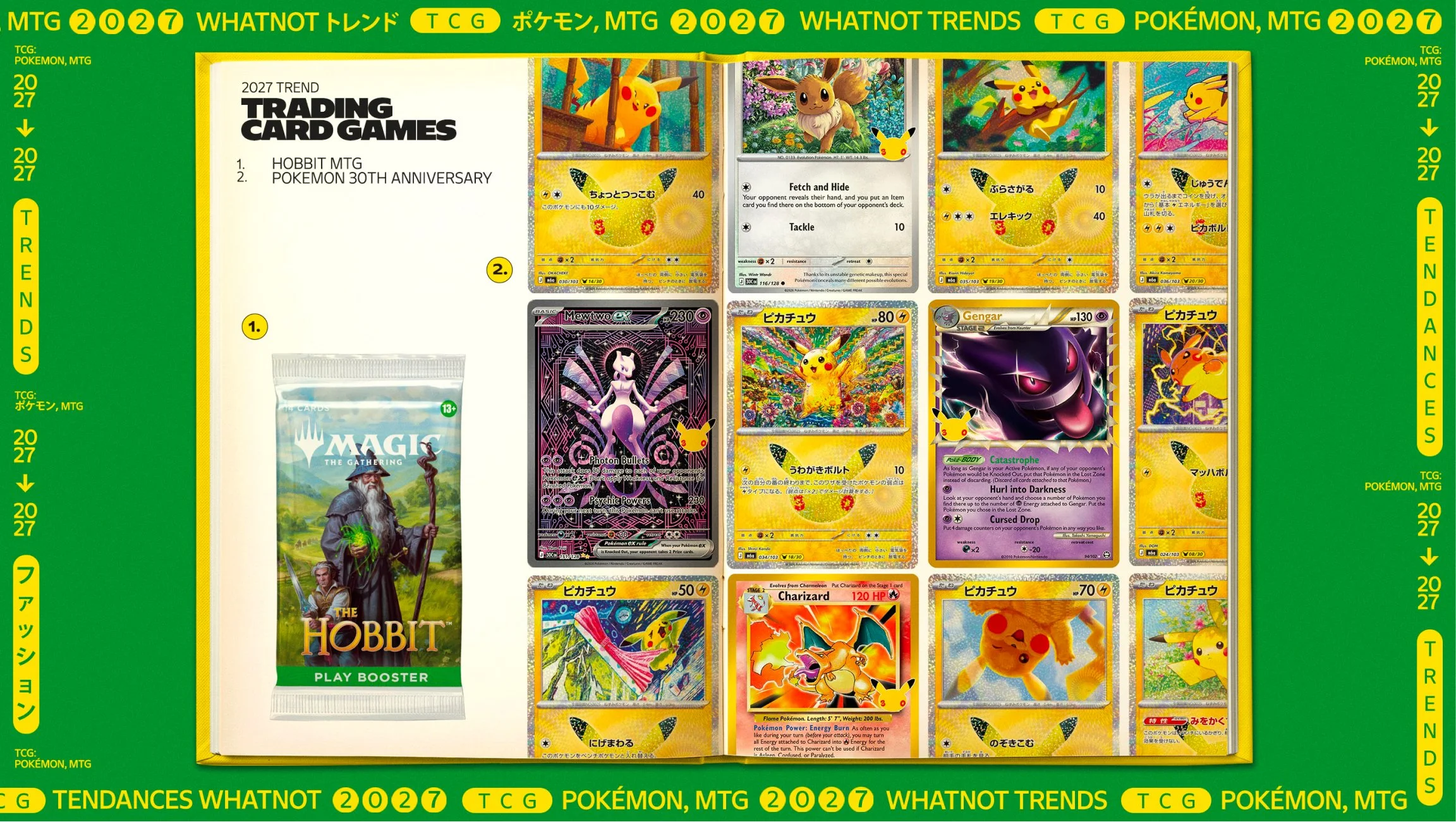
Trading cards continue to allow people to participate in the worlds, characters and fandoms they love. Pokémon's 30th anniversary showed just how powerful that connection can be, and that momentum is poised to continue well past the anniversary, as long-time collectors and new fans alike seek out the rarest cards through pack openings, trades and single-card purchases.
As pop culture and collecting become increasingly intertwined, here are two trends we predict will shape trading card game collecting in 2027:
Pokémon's Anniversary Will Create a New Generation of Collectors
Pokémon's 30th anniversary brought hundreds of thousands of first-time Pokémon buyers to Whatnot, helping drive the franchise's biggest sales week of the summer. As anniversary releases continue through the 2026 festive season, we expect that influx of new collectors to carry into 2027.
In Britain, the anniversary also sent the original fans back to where it all began. Searches for vintage Pokémon rose 164% as collectors who grew up with the late-90s and early-2000s cards went looking for them again, while Charizard and the Eevee family are neck and neck as the most-searched Pokémon on Whatnot UK.
We also expect collecting to become even more personal. Rather than collecting solely around value or rarity, buyers will increasingly build collections around favourite characters, distinctive artwork and the cards that mean something to them.
Entertainment Crossovers Will Bring New Fandoms to the Card Table
The next wave of trading card game growth won't come only from established card collectors. We predict entertainment crossovers will increasingly turn fans of films, games and other franchises into trading card game buyers. Magic: The Gathering offered an early signal in 2026, when The Hobbit Universes Beyond set outsold in-universe sets five to one in August and September.
In Britain, One Piece is leading the way. Orders for One Piece cards rose 390% this year, more than doubling the game's share of UK trading card orders. Its fans are some of the most engaged on Whatnot, with One Piece shows seeing 27% more chat than the average toy and trading card shows. It’s part of a wider wave of anime fandom spilling onto the card table, with anime card games, led by One Piece, growing more than twice as fast as trading cards as a whole in the UK.
As trading card games tap into more familiar entertainment worlds in 2027, expect more fans to become collectors along the way.
Sports Collecting Expands to New Stars and Categories

The biggest moments in sport don't just create fans, they create collectors. The 2026 World Cup brought tens of thousands of first-time football card buyers to Whatnot, while interest spilled beyond cards into shirts and memorabilia. Closer to home, a very British sport became the year's breakout collectible.
Based on that momentum, here are the sports collecting trends we expect to take off in 2027:
Darts Hits the Bullseye
From the dartboard to the trading card, darts cards have become the UK's fastest-rising sports card category. Orders rose more than 30x this year, surging every winter around the World Championship, and January orders alone were up 810% on the year before. The number of sellers going live with darts cards more than tripled, and the typical darts show sells 2.6x as much as the typical sports card show. With the World Championship returning to Alexandra Palace this winter, we expect another surge in demand.
The Next Generation of Superstars Will Challenge the Legends
Collectors will always seek out the icons, but in 2027, we expect rising stars to command an even bigger share of attention. Lamine Yamal joined Lionel Messi among the most-searched names for football shirts, while Erling Haaland searches surged around 17x ahead of the World Cup.
In the UK, football is the backbone of card collecting, and fans are collecting their club. Arsenal cards led the way after the club's Premier League-winning season, with orders up 490%, ahead of Manchester United, Liverpool, Chelsea and Manchester City. Since the new season kicked off, though, Liverpool fans have inched ahead, and today’s stars are already sitting alongside the legends: record signing Florian Wirtz and captain Virgil van Dijk are among the club’s most-bought players, next to Steven Gerrard and Mohamed Salah.
As a new generation establishes itself on the biggest stages, we predict collectors will increasingly look to collectthe players who could become tomorrow's legends.
Women's Football Will Have Its Collecting Moment
With the Women's World Cup arriving in 2027, we predict women's football will bring a new wave of fans into sports collecting. Searches for women's football on Whatnot grew about 70% in 2026, with Trinity Rodman leading search interest and Alexia Putellas attracting roughly tripled as many searchers as in 2025.
We saw the 2026 World Cup turn tournament excitement into demand for football cards, shirts and memorabilia, and expect the women's game to create a similar opportunity next year as global attention turns to its biggest stars.
Sports Collecting Will Cross Categories
In 2027, we expect fandom to increasingly cross categories, with collectors prioritising the athletes and teams they love rather than a single type of item. During the World Cup, football shirt searches jumped nearly 230% month on month, while vintage shirt searches increased nearly 70% in a month.
Cards may be the start, but football shirts, vintage clothing, autographs and other memorabilia give fans more ways to collect around their favourite players, teams and sporting moments. As major events bring new audiences into sport, we expect that broader definition of collecting to grow with them.
++
*About the data
Unless otherwise stated, figures refer to Whatnot activity globally and are based on Whatnot internal data from 2026. Consumer survey data comes from research conducted by Censuswide among 2,000 UK adults (nationally representative, 18+) between 6 and 9 October 2026. Censuswide is a member of the Market Research Society (MRS) and the British Polling Council (BPC), and a signatory of the Global Data Quality Pledge.
Download press images here. Credit: Whatnot